Canada UK Relations – Diplomacy, Trade and Cooperation: Product Overview
Canada and the United Kingdom share a long, multifaceted partnership that spans diplomacy, trade, security, culture, and international cooperation. This overview highlights how constitutional links, economic ties, and people-to-people connections shape practical collaboration on global challenges. It also considers the institutions and dialogue mechanisms that sustain steady bilateral engagement across administrations and political cycles. The relationship operates within a broader network of allies, including common platforms in the Commonwealth, NATO, and multilateral institutions. By examining these dimensions, we gain a clearer view of the enduring alliance between Canada and the UK.
Historical and constitutional ties
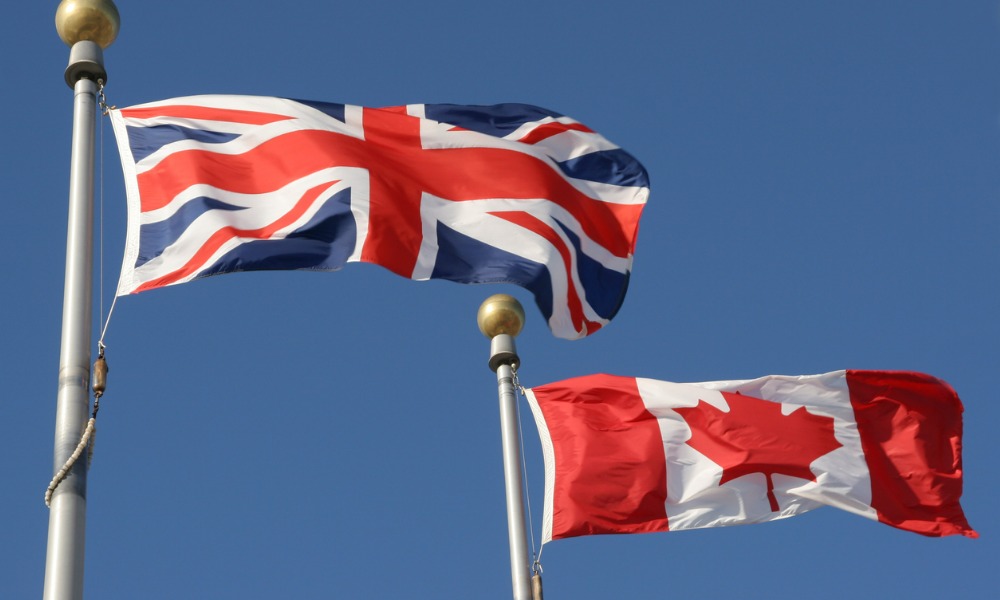
Canada and the United Kingdom share deep historical and constitutional ties that shape their bilateral interactions to this day. The roots go back to colonial governance, the gradual evolution of a constitutional monarchy, and the development of a Commonwealth framework that coordinates policy across many domains. The Confederation of Canada in 1867 established a constitutional structure in which Canada is a sovereign nation with the Crown represented in Ottawa by the Governor General, while the United Kingdom continues to be a separate sovereign state with its own parliament and government. Over decades, these arrangements have produced a robust partnership characterized by routine consultation on foreign policy, defense, trade, and development, alongside practical cooperation in trade, culture, and science. The legal and ceremonial ties reinforce daily diplomacy: state visits, shared legal traditions, and mutual participation in international standard-setting bodies. Canadian and British courts, judges, and administrative traditions interact through extradition treaties, mutual legal assistance, and cooperation on policing and security. Even as global dynamics shift–through regional blocs, evolving security threats, and new economic models–the Canada–UK relationship remains anchored in stable institutions, pluralistic politics, and a mutual interest in promoting a rules-based international order. The historical ties also influence education and cultural policy, with exchanges in law, history, and public administration creating a shared cognitive space that informs contemporary diplomacy. Constitutional conventions, such as the role of Governors General and Prime Ministers in cross-Atlantic diplomacy, illustrate how ceremonial duties and political leadership operate together to maintain trust. As the two countries navigate modernization, the distance shortens in practice through digital diplomacy, regular ministerial visits, and coordinated responses to global events, ensuring continuity across administrations.
Diplomatic relations and institutions
Diplomatic relations between Canada and the United Kingdom are anchored in a long history of governance, shared language, and common values. The following bodies and processes facilitate ongoing dialogue, policy alignment, and crisis coordination across government and institutions.
- High Commission presence and consular networks coordinate visa services, cultural exchanges, and people-to-people dialogues, ensuring practical cooperation across immigration, travel facilitation, and citizen services.
- Strategic dialogues between foreign ministers and bilateral summits align policy on security, climate, and economic resilience, fostering predictable cooperation and rapid coordination during international crises.
- Parliamentary committees and intergovernmental groups scrutinize treaties, monitor implementation, and sustain transparency, reinforcing democratic accountability in the Canada–UK bilateral partnership.
- Defense and intelligence liaison programs facilitate interoperability, defense procurement discussions, and joint training exercises, reinforcing deterrence and collaborative responses to shared security challenges.
These structures sustain ongoing policy coordination across diplomacy, trade, and security in a changing geopolitical environment. They also support consistent public messaging and predictable collaboration on issues affecting citizens and companies in both countries.
Key diplomatic bodies
The High Commission of Canada in London, in coordination with the Canadian Embassy network and Ottawa-based departments, drives bilateral policy and public outreach with the UK government. The British Foreign, Commonwealth and Development Office coordinates official channels, while sector ministries – defense, trade, immigration, science, and culture – participate in joint programs. Regular intergovernmental working groups translate strategic goals into concrete agreements, funding opportunities, and practical initiatives that advance trade, innovation, and people-to-people ties.

Royal and constitutional roles
The constitutional basis for the relationship is underscored by the Crown’s presence in both nations and ceremonial ties that accompany state visits and official ambassadorship. The Governor General of Canada acts as the Crown’s representative in Canada, while the British monarch serves as head of state in the United Kingdom. While these roles are largely symbolic, they provide a tone of continuity and shared tradition that facilitates diplomacy, cultural exchanges, and public diplomacy campaigns across the Atlantic.
Crisis management and rapid response
Interagency crisis management and rapid response mechanisms coordinate between Canadian and British authorities during natural disasters, security incidents, cyber disruptions, and humanitarian emergencies. Regular simulations, joint statements, and shared logistics protocols help align evacuation plans, aid delivery, and information sharing. These structures enable faster bilateral decisions, reduce duplication, and support a unified message to citizens and markets during critical events. Cooperation also extends to defense coordination centers and disaster response exercises conducted jointly across systems.
Parliamentary friendship and exchange networks
Parliamentary links strengthen the political dimension of the Canada–UK relationship through friendship groups, exchanges, and study visits that inform public policy. All-party parliamentary groups in both countries meet regularly to discuss cross-cutting issues such as trade, security, and cultural diplomacy. University-hosted visits, internships, and speaker programs broaden understanding of each other’s institutions and public life, helping lawmakers craft informed legislation and support robust bilateral cooperation over time in future policy planning and practice for growth.
Trade and Investment Snapshot
Canada and the United Kingdom maintain a dynamic trading relationship that reflects shared language, common law traditions, and integrated supply chains across North Atlantic markets.
| Year | Exports to UK (CAD bn) | Imports from UK (CAD bn) | Bilateral Investment (CAD bn) |
|---|---|---|---|
| 2022 | 18.7 | 11.2 | 36.5 |
| 2023 | 20.4 | 12.9 | 38.7 |
| 2024 | 22.7 | 14.5 | 41.3 |
Recent years show steady growth in exports and investment, supported by stable policy frameworks and joint initiatives to diversify supply chains, digital trade, and sustainable energy projects.
People-to-people links: migration, education, and culture
People-to-people ties form the social bedrock of the Canada–UK relationship, reflecting long-standing migration, rich educational linkages, and shared cultural affinities.
Migration has created diverse, dynamic communities that contribute to labor markets, entrepreneurship, and creativity on both sides of the Atlantic. The UK remains a popular destination for Canadian expatriates, while Canada hosts a large and active United Kingdom diaspora that participates in business, arts, and civic life.
Educational exchanges, joint research programs, and student mobility initiatives have built bridges between universities, colleges, and vocational institutions, with thousands of students bridging campuses each year and sharing best practices in science, engineering, and humanities.
Culture and tourism flourish from common language and heritage, including film co-productions, libraries, museums, and heritage events that showcase shared history and contemporary creativity. Mobility and cultural programs supported by governments and universities deepen collaboration and mutual understanding.
People-to-people ties are reinforced by visa pathways, scholarships, and digital exchanges that enable professionals, researchers, and creatives to collaborate across borders and enrich both societies.
Bilateral agreements and international cooperation
The Canada–UK relationship is underpinned by a robust set of bilateral agreements and active participation in international coalitions that drive trade, security, science, and governance.
Key instruments include the Canada–UK Trade Continuity Agreement (TCA) established to preserve post-Brexit trading rules, a framework for mutual legal assistance and extradition, investment protection, and collaborative efforts in defense and security through NATO and shared commitments in cyber security and Arctic governance.
B beyond bilateral accords, both nations work closely in multilateral forums—G7, G20, Commonwealth—and on standards for digital economy, climate action, and global health. Joint science and innovation programs, joint research funding, and academic exchange promote breakthroughs in energy, healthcare, and sustainable technology. Together, these mechanisms reduce regulatory friction, expand market access, and enable coordinated responses to global challenges while reinforcing shared values around democracy, human rights, and the rule of law. Looking ahead, there is potential to broaden service trade, financial services collaboration, and infrastructure partnerships in clean energy and transportation, aligned with a resilient, inclusive economic model.

Core Features and Capabilities
Canada and the United Kingdom share a robust, multi-layered relationship that spans diplomacy, trade, security, and cultural exchange. The partnership is anchored in long-standing historical ties, shared democratic values, and active collaboration within international institutions such as NATO, G7, and multilateral forums. Through ongoing dialogues and joint initiatives, the two countries align on key global challenges, from climate action to global health and resilience against security threats. Trade and investment flows are complemented by comprehensive people-to-people ties, research partnerships, and coordinated foreign policy priorities. This section highlights the core features shaping Canada-UK diplomacy, trade, and cooperation in the 21st century.
Security and defence cooperation
Canada and the United Kingdom maintain a proactive security partnership built on interoperability, shared doctrine, and rapid crisis response, underpinned by mutual respect for democratic governance, robust defense industrial bases, and a commitment to defend shared interests in the Atlantic and Arctic regions. The following initiatives illustrate how the two allies translate strategic intent into concrete actions across defense, intelligence, and security governance.
- Joint Arctic patrols and naval exercises that strengthen interoperability between the Royal Canadian Navy and the Royal Navy, focusing on sovereignty, search and rescue, and maritime domain awareness.
- Enhanced intelligence sharing and analytic collaboration within the Five Eyes framework and NATO channels to counter terrorism, cyber threats, and disruptive state actions affecting transatlantic security.
- Cyber defense cooperation includes joint exercises, incident response planning, and the development of resilient national cyber infrastructures that protect critical civil and military networks.
- Maritime security collaboration covers piracy deterrence, secure supply chains, and anti-submarine warfare capability sharing, leveraging combined naval reach in the Atlantic and Caribbean routes.
- Defence procurement and technology co-development promote joint research, industrial collaboration, and shared production of defensive systems, training pipelines, and space assets to reduce duplication and strengthen sovereignty.
- Joint training programs and exchange postings across air, land, and maritime forces foster mutual understanding, leadership development, and the pipeline of skilled personnel for future combined operations.
- Strategic dialogues on defense innovation and space-enabled military capabilities encourage co-investment in testing facilities, common standards, and export controls that support secure technology transfer.
These efforts reflect a strategic calculus that prioritizes deterrence, alliance cohesion, and capable, timely responses to emerging threats, while ensuring accountable governance and transparent reporting to parliaments in both countries. Continued collaboration will depend on political will, resilient logistics, and sustained investment in people, technology, and shared facilities that expand interoperability and accelerate joint decision-making in times of crisis.
Economic and trade mechanisms
Economic and trade ties between Canada and the United Kingdom are underpinned by a comprehensive framework that promotes open, rules-based commerce, investment protection, and predictable market access. The partnership supports diversification of trade through services, digital products, and sustainable resource development, while maintaining a shared commitment to high regulatory standards and fair competition. Businesses benefit from continuous dialogue on border procedures, customs simplifications, and streamlined rules of origin that minimize friction while safeguarding national interests. Both countries also emphasize responsible investment and responsible supply chains, recognizing that reliable, transparent regulatory environments attract long-term projects in aerospace, energy, finance, and advanced manufacturing. Mechanisms enabling bilateral commerce include standstill commitments on tariffs for covered goods, rules of origin that preserve duty-free treatment, and dispute-resolution pathways designed to resolve issues without escalation. The bilateral investment climate is strengthened by robust protections for investors, predictable expropriation safeguards, and cooperative frameworks for state-owned enterprises to operate with clear guidelines on transparency and competition. In financial services and digital trade, the two countries pursue mutual recognition arrangements, data-flow assurances, and alignment on consumer protection and data privacy standards to support cross-border innovation and cross-border service delivery. Beyond these core mechanisms, the partnership seeks to align on green growth and digital economy rules, encouraging collaboration in clean energy, critical minerals, and climate-smart infrastructure. Joint committees monitor macroeconomic developments, sanctions regimes, and shared export controls to ensure that bilateral flows remain stable even as global markets shift. As small and medium-sized enterprises gain access to scale assets in both markets, public procurement coordination and lender-friendly policies help firms scale prototypes into commercial products while upholding environmental and labor standards. Ongoing collaboration will continue to prioritize equity, accessibility, and opportunity for researchers from diverse backgrounds.
Science, technology and research partnerships
Canada-UK science and technology collaboration rests on shared priorities in climate resilience, health security, digital innovation, and sustainable development. Universities, national laboratories, and industry partners participate in joint calls for proposals, co-funded research centers, and mobility programs that move students and researchers across the Atlantic. The partnership leverages complementary strengths, with Canada contributing expertise in ocean science, natural resources, and remote sensing, while the UK leads in life sciences, AI, quantum technologies, and advanced manufacturing. Data governance and ethical standards are harmonized to facilitate responsible, open research while protecting privacy and safety. Joint research networks support long-term projects in areas such as clean energy, clean tech deployment, sea-level monitoring, and infectious disease modeling. Cross-border PhD and postdoctoral exchanges accelerate talent development, while shared facilities and test-beds provide common platforms for pilots and demonstrations. Public investment agencies coordinate evaluation criteria and ensure that sustainability and inclusive growth are embedded in funding decisions. Industry partnerships connect academic discoveries to market-ready solutions, enabling startups to access capital, mentorship, and international markets. Science diplomacy and public engagement play a crucial role, with joint science communication initiatives, museum collaborations, and outreach programs that explain research to policymakers and citizens. The result is an expanding transatlantic ecosystem where skilled researchers, industry, and government work together to turn knowledge into jobs, competitive advantages, and resilient economies. Ongoing collaboration will continue to prioritize equity, accessibility, and opportunity for researchers from diverse backgrounds. Training and mentorship programs link early-career scientists with industry mentors, expanding networks and ensuring that breakthroughs reach real-world applications. Joint rapid-response research teams are prepared to mobilize expertise for health emergencies, natural disasters, or climate-related events. Such programs also foster open science practices, data sharing agreements, and standardized peer review to accelerate trustworthy results. Ultimately, the collaboration aims to position Canada and the United Kingdom as global leaders in research-driven economic growth.
Legal, regulatory and diplomatic frameworks
Legal, regulatory, and diplomatic frameworks underpin Canada-UK cooperation by providing predictable rules, accountability, and mechanisms for dialogue across government levels. The relationship rests on a network of agreements that cover extradition, mutual legal assistance, cybercrime cooperation, and diplomatic exchange programs, ensuring that authorities can cooperate effectively on cross-border crime, sanctions enforcement, and counter-terrorism operations. Shared commitments to human rights, the rule of law, and democratic governance anchor bilateral engagements in international fora and bilateral dialogues, while joint interagency groups coordinate policy considerations related to defence, commerce, and environment. Regular high-level meetings and parliamentary exchanges foster transparency and mutual understanding, helping to translate strategic priorities into concrete actions. Regulatory alignment and cooperation focus on trade standards, consumer protection, data privacy, and environmental safeguards, with parallel processes to align on public procurement rules and government-to-government purchasing arrangements. The two countries maintain dispute-resolution channels that emphasize negotiation and technical mediation before escalation to formal tribunals, limiting friction and preserving collaboration. In security and justice, frameworks for information sharing, joint investigations, and sanctions enforcement provide robust tools to address criminal networks, illicit finance, and sanctions evasion, while respecting sovereignty and due process. Diplomatic frameworks facilitate crisis management and multilateral coordination, including joint participation in international organizations, climate and peacekeeping diplomacy, and coordinated responses to global challenges. The partnership also supports cultural diplomacy and people-to-people exchanges that strengthen understanding of legal and governance norms, reinforcing trust and reducing misperceptions. Ongoing efforts seek to clarify ownership of data, harmonize cyber norms, and improve the speed and clarity of diplomatic communications during times of tension or crisis. The legal architecture is designed to adapt to evolving technologies, new security threats, and changing geopolitical contexts, with sunset clauses and regular reviews to ensure relevance. This agility supports timely diplomacy, reduces misalignment, and preserves the momentum of bilateral projects.
Cultural, educational and people-to-people programs
Cultural and educational links are a vibrant dimension of Canada-UK relations, spanning arts, heritage, higher education, and community ties that cross borders. Government-supported programs, scholarships, and museum collaborations help bring producers, scholars, and audiences together to experience shared history and contemporary creativity. Universities collaborate through joint degrees, research placements, and cross-institutional centers that attract talent from both sides of the Atlantic. Cultural diplomacy activities—festivals, arts residencies, and heritage exchanges—strengthen mutual understanding and provide soft-power instruments that complement traditional diplomacy. People-to-people programs include student mobility, joint scholarships, and professional exchanges, which broaden horizons for future leaders and researchers. Arts and culture partnerships extend to theatres, museums, and digital platforms that showcase Canadian and British creativity to diverse audiences. Education ministers’ dialogues, joint summer schools, and reciprocal credential recognition simplify study and work opportunities across both countries. Public diplomacy and outreach extend the impact of exchanges, with science communications, citizen forums, and heritage projects that engage local communities and inspire the next generation. These programs cultivate a global mindset, support inclusive innovation ecosystems, and create durable networks among students, artists, researchers, and policymakers. Together, Canada and the United Kingdom build a shared social infrastructure that sustains diplomacy, economic collaboration, and mutual respect.

Competitive Advantage and Comparative Value
Canada and the United Kingdom share deep historical roots, converging interests, and a bilateral framework that strengthens competitiveness across diplomacy, trade, and security. The relationship combines established cultural ties with modern economic integration, enabling faster responses to global challenges such as supply-chain resilience, energy security, and technology leadership. By aligning policy priorities and engaging in joint initiatives, Canada and the UK capitalize on complementary strengths in natural resources, financial services, and innovation ecosystems. This H2 section explores how competitive advantages emerge from market access, regulatory alignment, and proactive cooperation in multilateral forums. The analysis also highlights areas where ongoing collaboration can deepen bilateral diplomacy and expand economic ties.
Economic complementarities and market access
Canada’s abundant natural resources, diversified manufacturing base, and robust agricultural sector complement the United Kingdom’s world-class financial services, professional services, high-value manufacturing, and research-intensive industries, creating a dynamic foundation for bilateral economic growth that leverages the strengths of both economies and reduces exposure to single-market risk. Canadian energy, minerals, forestry products, and agri-food exports feed UK industries and consumer demand, while the UK channels investments, technology ecosystems, and market access networks into Canadian supply chains, elevating efficiency and resilience across sectors such as aerospace, renewable energy equipment, automotive, and digital infrastructure. A steady framework of trade continuity agreements and regulatory cooperation—built on shared democratic values and a long history of bilateral engagement—helps reduce red tape, harmonize standards in priority sectors, and provide predictable conditions for cross-border business activities even as global trade rules evolve. Market access is reinforced by rules of origin, mutual recognition for testing and certification, and joint initiatives to accelerate green energy projects, clean technology, data governance, and advanced manufacturing, enabling companies to scale operations across both markets with lower tariffs, simplified border processes, and coordinated customs modernization. The combined market power strengthens investment flows and financial connectivity, with Canada acting as a gateway to North American production networks, while the UK serves as a global hub for capital, professional services, and research collaboration, creating paths for joint ventures, multijurisdictional financing, and cross-border R&D programs. To sustain this momentum, policymakers should expand procurement opportunities, align environmental and tax standards where feasible, improve risk-sharing instruments for exporters, and promote bilateral research partnerships and talent mobility programs that translate regulatory alignment into tangible business results and industrial leadership.
Geopolitical alignment and soft power
Canada and the United Kingdom share a broad set of foreign policy objectives centered on democracy, the rule of law, and global stability, making their alliance a natural pillar of bilateral diplomacy. In practice, this means coordinated positions on the rules-based international order, ongoing cooperation within NATO and the G7, and joint approaches to sanctions, cybersecurity, and defense modernization. Beyond hard security, bilateral soft power initiatives amplify cultural exchange, academic collaboration, and people-to-people ties that strengthen trust and mutual understanding. The two countries pursue policy dialogues on climate leadership, development assistance, and responsible technology governance, leveraging multilateral platforms to advance shared values while defending national interests. Leadership dynamics in Canada UK relations emerge through high-level visits, ministerial working groups, and parliamentary exchanges that align agendas on foreign policy, trade, and security, producing coherent messaging and swifter coordination in times of crisis. The alliance also supports diversified approaches to strategic dependencies, coordinated responses to regional conflicts, and joint efforts to shape global governance norms around digital privacy, AI ethics, and supply-chain resilience. Collectively, this framework enhances the soft power of both nations while maintaining space for independent action when necessary, enabling a credible voice in multilateral diplomacy and a united front on core strategic issues.
Innovation ecosystems and talent pools
Canada and the UK boast vibrant innovation ecosystems anchored by world-class universities, strong research funding, and active industry partnerships that translate ideas into market outcomes. In Canada, institutions such as the University of Toronto, University of British Columbia, McGill, and Waterloo lead in artificial intelligence, biotechnology, clean technologies, and advanced manufacturing, while in the UK, universities like Oxford, Cambridge, Imperial College London, and University College London drive breakthroughs in life sciences, materials science, and quantum research. The two nations sustain talent pools through joint research programs, student exchanges, and flexible mobility schemes that enable short-term research visits and longer-term appointments. Collaborative funding from agencies such as NSERC and UKRI, along with industry-sponsored consortia, supports cross-border projects in quantum computing, health innovation, climate technologies, and digital infrastructure, helping firms scale across borders. Industry clusters in fintech, aerospace, and software services benefit from seamless collaboration, access to capital, and shared IP development. Businesses gain easier visa pathways and talent access, while universities gain international co-authors, funding, and demand-driven research opportunities. This Canada UK relationship in innovation and talent creates a virtuous cycle of knowledge transfer, translational research, and workforce development that sustains competitiveness in global markets.
Natural resources and energy cooperation
Natural resources and energy cooperation sit at the core of the Canada–UK economic partnership, reflecting complementary strengths in energy security, mineral supply, and the transition to lower-carbon systems. Canada brings reliable supplies of oil, LNG, natural gas, uranium, critical minerals, forestry products, and agricultural outputs that support UK industries seeking secure access to diversified inputs. The United Kingdom, with its strong financial and engineering base, acts as a hub for project finance, energy patents, and market access to Europe and beyond, helping to fund and deploy Canadian energy initiatives and cross-border infrastructure. Joint strategy focuses on energy security, decarbonization, and resilience, including hydrogen research, renewable energy integration, and the development of smart grids and storage. Cooperation also emphasizes responsible resource development, environmental stewardship, and social license considerations, aligning government programs, regulatory oversight, and private-sector innovation. Together, the pair pursue collaborative procurement, joint exploration ventures, and coordinated responses to global commodity cycles, enabling more predictable investment planning and diversified energy portfolios. In this framework, policy alignment on climate goals, trade facilitation for energy equipment, and cross-border cooperation on critical minerals strengthens both economies and supports broader international commitments to sustainable growth.
Comparative advantages in services and supply chains
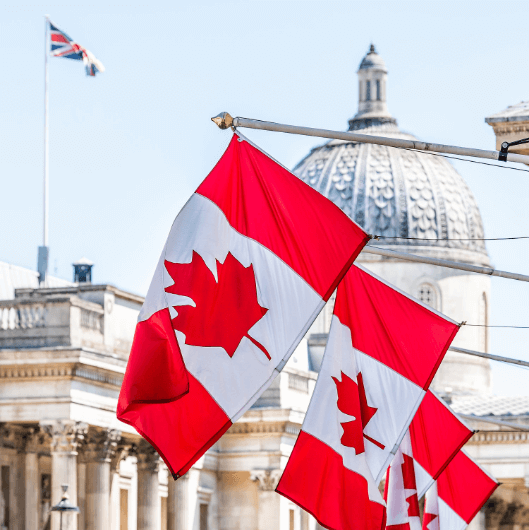
Comparative advantages in services and supply chains highlight how Canada and the United Kingdom complement each other in high-value sectors and logistics. The UK remains a leading hub for financial services, professional services, media, education, and creative industries, while Canada anchors a diverse services ecosystem built on software development, health care, engineering, and exports of business services. This synergy supports cross-border supply chains in aerospace, automotive components, digital platforms, and research services, with UK-based capital and Canadian operational capacity enabling efficient, multi-country projects. Regulatory alignment and mutual recognition in critical services reduce barriers and accelerate cross-border licensing, testing, and certification, while joint ventures and co-investment initiatives expand market access for suppliers and buyers in both markets. Data governance, privacy standards, and digital trade rules are addressed through bilateral dialogues that strengthen trust and reduce compliance costs for firms operating on both sides of the Atlantic. The combined services advantage also helps firms diversify risk, scale quickly, and access a wider talent pool through mobility programs and collaboration between Canadian and British universities, accelerators, and industry bodies. Together, these dynamics support resilient supply chains, stimulate innovation-driven growth, and strengthen the competitiveness of Canada–UK relations in global commerce.
Pricing, Packages and Support Options
This section explains how pricing, packaging and support options affect Canada–UK relations in trade and investment. It highlights tariff structures, investment facilitation, visa pathways, and available export and subsidy programs that help businesses operate smoothly across the two markets. You will find practical guidance on tariff regimes, financial services access, mobility rules, and government assistance designed to reduce friction in bilateral activity. Use this overview to align procurement, market entry plans, and cross-border operations with current policy and support mechanisms.
Trade agreements, tariffs and quotas
Below is a snapshot of current tariff regimes and quota arrangements in key sectors shaping bilateral commerce.
| Sector | Tariff rate (Canada) | Tariff rate (UK) | Quota (Canada) | Quota (UK) | Notes |
|---|---|---|---|---|---|
| Automotive parts | 0% MFN | 0% under continuity | 10,000 units | 8,000 units | Subject to annual review |
| Cereals and grains | 0–9% | 0–5% | 20,000 tonnes | N/A | Seasonal adjustments possible |
| Pharmaceuticals | 0% | 0% | N/A | N/A | Regulated under mutual recognition; subject to approvals |
This snapshot helps identify areas of friction and relief for cross-border trade.
Investment facilitation and financial services access
Canada and the UK maintain a framework that supports cross-border investment and access to banking and financial services. Investment routes include Foreign Direct Investment (FDI) through incorporation, provincial licensing, and sector-specific permits, with oversight by federal agencies such as Investment Canada and provincial authorities. In practice, investors can establish subsidiaries, joint ventures, or representative offices in Canada and seek market entry through trade agreements that provide predictability and dispute resolution mechanisms. Canada’s regulatory environment emphasizes transparency, governance, and robust competition policy, while the UK offers a mature financial services sector with deep cross-border connectivity to international markets. Financing routes connect exporters and investors to a broad network of lenders, including Canadian chartered banks with international desks and UK-based financiers. Cross-border payment channels rely on established systems, correspondent banks, and digital platforms that support currency exchange and settlement. Export Development Canada (EDC) and UK counterparts provide insurance, credit facilities, guarantees, and advisory services to mitigate payment risk and facilitate long-term projects. Compliance requirements, product standards, and tax considerations must be understood early; digital documentation, electronic invoicing, and secure data transfers are common across both jurisdictions. Businesses can benefit from government-supported programs that reduce upfront costs, share market intelligence, and connect with local partners. The combined ecosystem fosters collaboration in sectors such as energy, technology, manufacturing, and life sciences, helping firms scale internationally.
Visa, mobility and migration arrangements
Canada and the UK operate broad mobility frameworks designed to support temporary and long-term stays for workers, students, researchers, and family visitors. For Canada-bound nationals, the primary pathways include the Temporary Foreign Worker Program, the International Mobility Program, and employer-sponsored work permits, along with provincial streams for skilled trades and entrepreneurship. UK-based travelers and workers benefit from the Skilled Worker visa regime, Start-up and Innovator routes, and various family and student visa categories, with steps coordinated to reduce duplication when moving between the two countries. In practice, cross-border mobility relies on recognized job offers, sponsorship, sufficient funds, and medical and criminal-record checks where required. Businesses sending personnel for brief assignments can often rely on short-term permits and business visitor provisions, while longer assignments may require work authorization and permanent-residence considerations. The two systems are supported by digital tools for visa applications, biometric enrollment, and status checks, enabling faster processing and better tracking of stay durations. Travelers should be aware of maximum stay limits, renewal cycles, and potential mutual recognition of professional credentials. Bilateral dialogues continue to explore ways to align rules without compromising national immigration policies, with emphasis on security, labor market protection, and compliance. Planning ahead, coordinating with immigration counsel, and maintaining up-to-date documentation are essential to minimize disruption and ensure access to markets, clients, and partners.

Support options for businesses: tariffs, subsidies, export help
Businesses entering Canada and the UK markets can access a range of support measures designed to ease cross-border trade, manage tariff exposure, and expand export activity. The following programs and services are commonly used by exporters and investors (listed below) provide practical help across initiation, scaling, and risk management stages.
- Export development support through EDC offers credit insurance, bonding, and advisory services to mitigate payment risk and facilitate contracts with UK buyers.
- Canada Border Services Agency and UK equivalents offer simplified customs clearance programs, pre-approval for trusted traders, and faster processing for goods crossing the North Atlantic corridor.
- Trade finance programs from UK bodies such as UKEF or Canadian banks provide working capital and guarantees to support export orders and supplier relationships.
- Market-entry grants and advisory services from government agencies help SMEs tailor product compliance, labeling, and documentation for UK markets and regulatory updates.
- R&D grants and innovation corridors encourage joint ventures, accelerating access to UK supply chains and Canada’s tech ecosystems for startups seeking scale internationally.
These resources enable exporters and investors to price risk, partner effectively, and access global value chains with greater confidence.
Consular services and citizen support
Consular services and citizen support are the frontline for Canadians and Britons abroad. Both governments provide routine consular assistance, including passport services, notarial acts, civil registrations, and help with lost documents. In emergencies, consulates coordinate with local authorities to ensure safety, provide guidance, and assist with emergency travel documents; they can sometimes facilitate medical referrals or evacuation when necessary and authorized. The UK and Canada maintain active posts in each other’s capitals and major cities, equipped to assist travelers, students, workers, and business visitors. For Canadians in the UK, the High Commission in London and consulates in Scotland and Northern Ireland deliver emergency support, registration services, and guidance on local laws. For UK nationals in Canada, the Canadian authorities offer travel documentation, welfare help, and assistance to locate legal resources or medical care. Both systems encourage citizens to register with their home government’s consular network before long trips, enabling faster notification in crises. While consular services focus on emergencies and essential documentation, they also provide practical resources such as visa checks, notarial services, and verification of authentic travel papers for cross-border travel. It is important for travelers and business travelers to understand that consular help has limits and does not replace local legal or medical advice; in all cases, maintaining valid passports, visas, and insurance remains essential for smooth mobility.